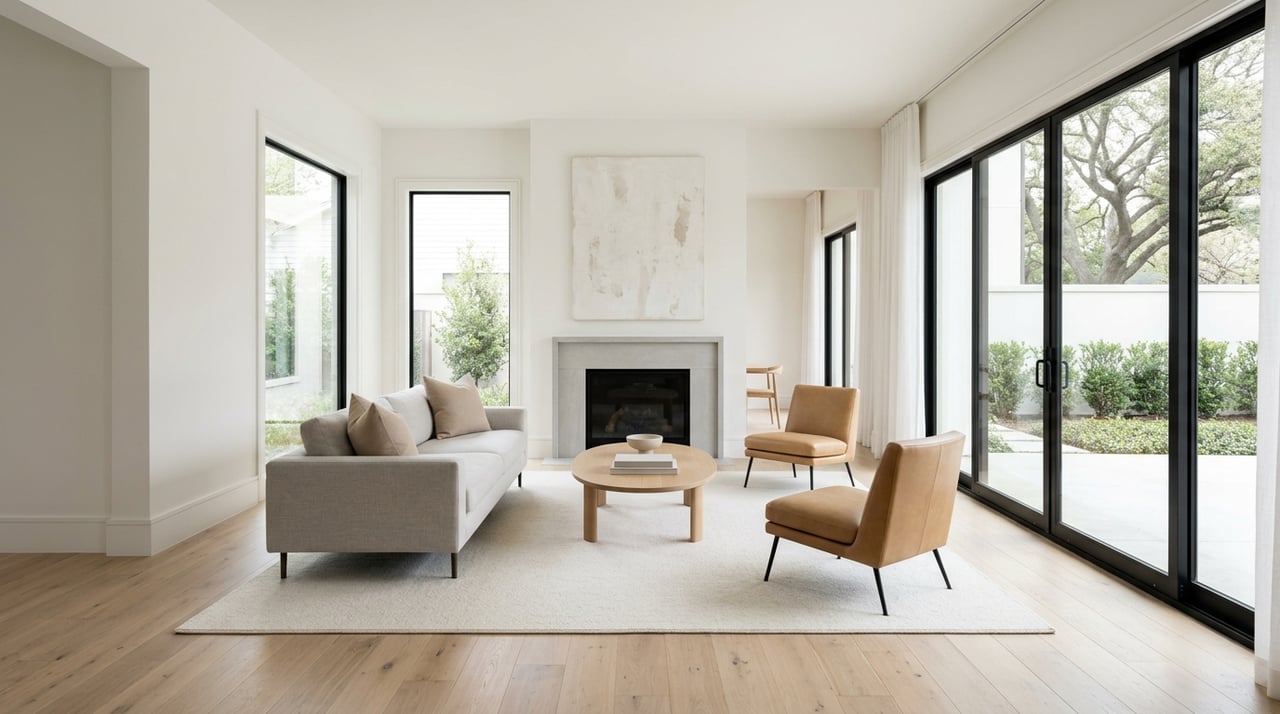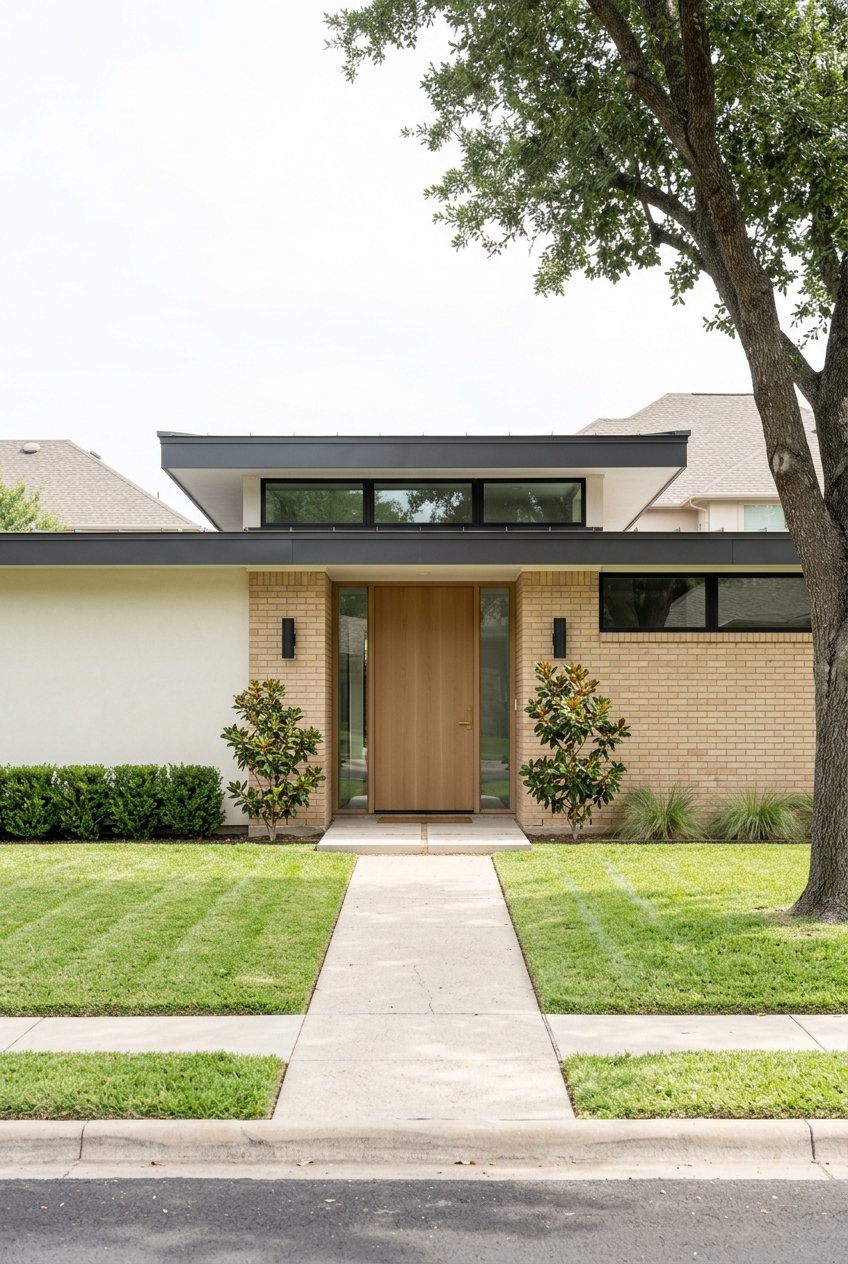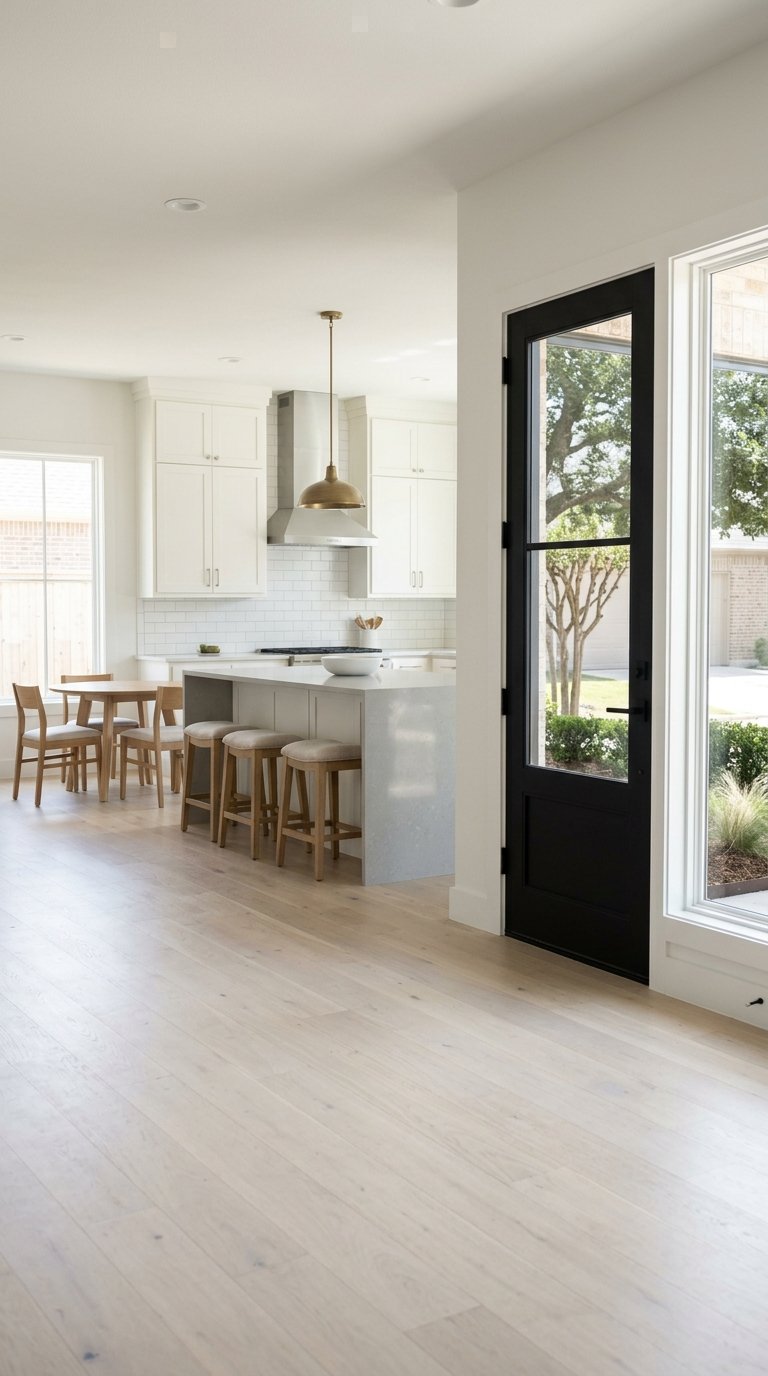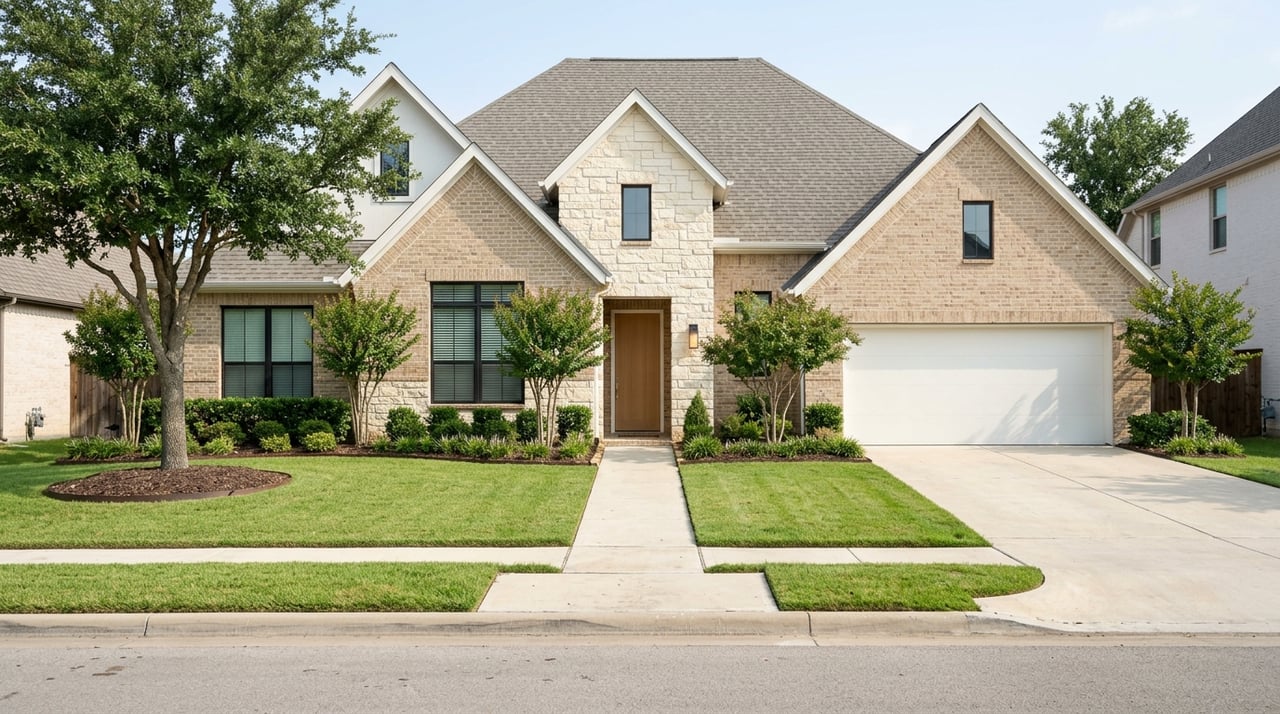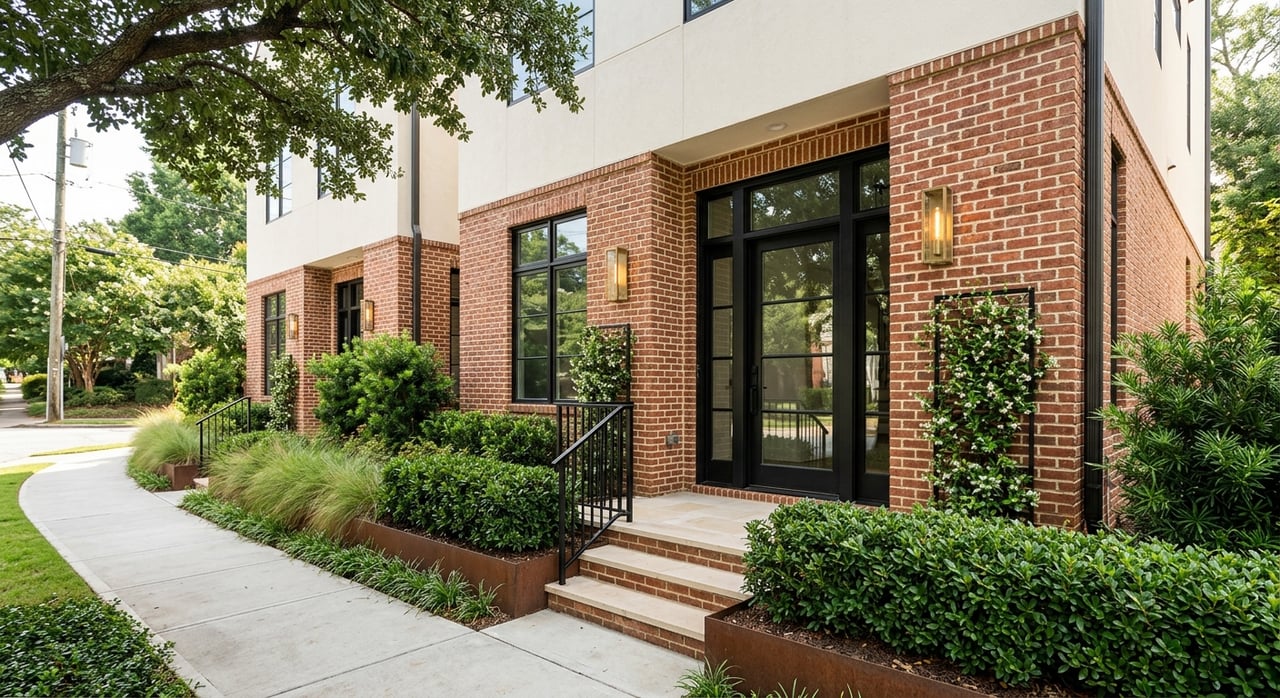
If you are relocating to the Houston area or planning your next move-up purchase, one question tends to come up fast: do you want the space and structure of Fort Bend suburb living, or the energy and convenience of inner-loop Houston? It is a meaningful decision because your daily routine, home options, commute style, and price point can all look very different depending on which side of that choice feels right to you. This guide will help you compare Sugar Land and Sienna with inner-loop Houston so you can focus your search with more confidence. Let’s dive in.
Start With the Big Difference
The clearest difference is not just geography. It is how you want to live day to day.
In Fort Bend communities like Sugar Land and Sienna, the appeal often centers on more structured suburban living. You may find more single-family homes, more planned recreation, and a routine that revolves around driving, neighborhood amenities, and larger residential footprints.
Inside Houston’s inner loop, the experience is usually more urban and varied. Housing types can change from block to block, amenities may be woven into the neighborhood fabric, and it can be easier to build parts of your routine around walking, biking, or transit.
Compare Typical Price Points
Price is rarely the only factor, but it does shape what your options look like.
Recent listing snapshots show a noticeable spread between Sugar Land and inner-loop Houston. According to Realtor.com market data for Sugar Land, Sugar Land’s median listing price was about $484,500, while the Houston inner loop was about $539,997. Some inner-loop ZIP codes were even higher, including roughly $625,000 in 77006 and $927,250 in 77019.
That does not mean every home in the inner loop costs more than every home in Fort Bend. It does mean your budget may buy a different mix of location, square footage, lot size, and housing style depending on where you search.
Fort Bend Living: Sugar Land and Sienna
Fort Bend Home Types
Sugar Land is still closely tied to suburban single-family living. The city’s Great Homes Program focuses on single-family housing and neighborhood reinvestment, which reflects the area’s long-standing residential character.
At the same time, Sugar Land is not limited to one product type. Redevelopment areas like Lake Pointe and Imperial are adding more compact options such as townhomes, cottages, live-work units, and multifamily housing.
Sienna is even more intentionally planned. According to Sienna community information, the community spans more than 10,000 acres and includes more than 10,000 homes, with a mix of single-family homes, townhomes, varied homesite sizes, and a 55+ enclave.
Fort Bend Commute Style
If you choose Sugar Land or Sienna, your commute will likely be more car-centered. Daily movement often depends on freeway access, toll roads, and how smoothly you can reach major job centers.
That said, there are structured commuter options. Fort Bend Transit offers weekday park-and-ride service from Sugar Land to Greenway Plaza, the Galleria area, the Texas Medical Center, and downtown Houston. Sienna also promotes direct access to downtown, the Texas Medical Center, and the Energy Corridor via the Fort Bend Parkway Toll Road.
Fort Bend Daily Lifestyle
Fort Bend communities often package amenities in a way that feels convenient and predictable. Rather than scattering restaurants, parks, and recreation across a dense street grid, many suburban amenities are organized into planned centers and neighborhood systems.
Sugar Land maintains 27 parks and more than 35 miles of hike-and-bike trails, and Town Square serves as a mixed-use area with civic, residential, retail, entertainment, and corporate uses. In Sienna, the lifestyle leans heavily into recreation, with parks, trails, lakes, fitness centers, sports facilities, and resident events highlighted as part of the community experience.
For many buyers, that means suburban living feels streamlined. If you value having recreation, trails, and community amenities close to home in a planned setting, Fort Bend may line up well with your goals.
Inner-Loop Houston Living
Inner-Loop Home Types
Inner-loop Houston usually gives you more housing variety. In neighborhoods like Montrose and the Heights, home styles can include cottages, bungalows, duplexes, townhomes, apartment communities, historic homes, and newer infill.
Houston planning documents describe Montrose as an eclectic area where many housing forms exist side by side. The Heights also combines older homes with newer townhouse infill, giving buyers a wider range of age, layout, and maintenance expectations.
The city is also expanding housing flexibility through planning efforts such as Livable Places and Walkable Places, which support smaller-lot homes, accessory dwelling units, triplexes, and mixed-use pedestrian-friendly development. For you as a buyer, that often translates into more search variety but also more decisions about condition, parking, and building type.
Inner-Loop Mobility Options
The inner loop can make a car-light routine more realistic in certain neighborhoods. Midtown’s walkable-place framework points to small blocks, sidewalks, bus routes, bikeways, BCycle stations, and light rail access that can support shorter local trips.
Houston’s broader transportation network adds to that flexibility. METRO notes that the region has 35+ light rail stations in and around the city and 25+ Park & Ride facilities outside the 610 Loop, while Houston Parks and Recreation maintains more than 163 miles of trails.
That does not mean every inner-loop neighborhood works the same way. It does mean that if you want more options beyond driving for every errand, the inner loop may offer a better fit.
Inner-Loop Daily Lifestyle
The appeal of inner-loop living is often about proximity. In many neighborhoods, restaurants, retail, parks, groceries, offices, and entertainment are closer together and easier to reach without a full cross-town drive.
For example, Midtown’s official description highlights restaurants, grocery stores, parks, offices, theatres, and other daily-use destinations in one connected area. Montrose is similarly known for a dense mix of restaurants, bars, retail, and varied housing forms.
If your ideal routine includes grabbing dinner nearby, walking to a coffee shop, or keeping more of life close to home, the inner loop may feel more natural than a master-planned suburb.
Which Setting Fits Your Priorities?
Fort Bend May Fit Better If You Want
- More single-family home options
- More square footage for your budget
- A larger-lot suburban lifestyle
- Planned amenities and recreation close to home
- A search focused on builder type, lot size, and commute route
Inner-Loop Houston May Fit Better If You Want
- A more walkable daily routine
- Greater housing diversity
- Closer access to central business and entertainment areas
- A neighborhood experience with mixed uses nearby
- A search focused on parking, renovation level, and building form
Neither option is automatically better. The right fit depends on what matters most in your routine, budget, and long-term plans.
How to Tour Both Options Well
A side-by-side comparison works best when you experience each area in real life, not just online.
A smart approach is to test one weekday commute, one evening errand run, and one weekend visit in each area you are considering. That recommendation lines up with the practical next steps highlighted in the research, especially for buyers trying to compare how neighborhoods function beyond listing photos.
As you tour, pay attention to:
- Actual drive times during rush hour
- What you can reach within a 10 to 15 minute walk
- How the neighborhood feels during weekdays versus weekends
- Whether the home’s age and layout match your renovation tolerance
- Whether a new-build premium or older-home tradeoff makes sense for you
This kind of comparison usually brings clarity quickly. What sounds good in theory can feel very different once you test your real routine.
Make Your Search More Focused
If you are deciding between Fort Bend and the inner loop, it helps to think beyond labels like suburban or urban. Instead, ask what you want your mornings, evenings, weekends, and commute to look like.
You may find that Sugar Land or Sienna gives you the space, structure, and amenity package you want. Or you may decide that inner-loop Houston offers the flexibility, access, and neighborhood rhythm that fits you better right now.
If you want help comparing Fort Bend communities with selective Houston-area options, Shelley Stone offers local guidance and a relationship-first approach that helps you narrow the field and move forward with confidence.
FAQs
What is the main difference between Fort Bend suburbs and inner-loop Houston for homebuyers?
- Fort Bend suburbs like Sugar Land and Sienna often offer a more planned suburban lifestyle with more single-family housing, while inner-loop Houston typically offers more housing variety, more urban amenities nearby, and more transportation options.
How do home prices compare between Sugar Land and inner-loop Houston?
- Recent listing snapshots in the research report show Sugar Land at about $484,500 median listing price, compared with about $539,997 for the Houston inner loop, with some inner-loop ZIP codes such as 77006 and 77019 priced higher.
What kinds of homes are common in Sugar Land and Sienna?
- Sugar Land and Sienna are known for strong single-family home options, though both also include other formats such as townhomes and more compact housing in certain areas.
What kinds of homes are common in inner-loop Houston neighborhoods?
- Inner-loop Houston neighborhoods can include cottages, bungalows, duplexes, townhomes, apartments, historic homes, and newer infill, depending on the area.
Is commuting from Fort Bend different from commuting inside the Houston inner loop?
- Yes. Fort Bend commuting is usually more freeway- and toll-road-centered, while some inner-loop neighborhoods support more walking, biking, bus, and light rail use for daily trips.
How should you compare Fort Bend and inner-loop Houston before buying?
- A helpful approach is to test a weekday commute, an evening errand run, and a weekend neighborhood visit in both areas so you can compare travel time, walkability, and how each location fits your routine.