If you are shopping in Bellaire, the style of a home tells you more than how it looks from the street. In a city that is nearly built out, architecture is closely tied to lot size, redevelopment patterns, upkeep, and how you want to live day to day. When you understand what Bellaire’s common home styles usually offer buyers, you can make a smarter decision with fewer surprises. Let’s dive in.
Why architecture matters in Bellaire
Bellaire is a compact city of about 3.5 square miles located minutes southwest of downtown Houston and the Galleria. The city describes its housing mix as a combination of 1950s and 1960s ranch homes and brand-new mansions, with large oaks and custom-built homes shaping the streetscape.
Because Bellaire is nearly built out, most future housing change is expected to come through redevelopment and reinvestment instead of large new subdivisions. That means buyers are often choosing between an older home with original character, a mid-century layout with straightforward living, or a newer custom build designed around a specific lot.
In Bellaire, that choice is not just about curb appeal. The city’s planning framework connects neighborhood character to lot size, setbacks, open space, vegetation, and compatibility, so style and site should always be considered together.
Cottage-scale homes and bungalow-era character
Some of Bellaire’s oldest built environment dates back to the 1910s through the early 1930s. For buyers, these homes are best understood as cottage-scale or bungalow-era properties rather than one single formal Bellaire style.
These homes often appeal to buyers who value charm, smaller footprints, and a more traditional street presence. National Park Service materials describe bungalows as typically one-story or one-and-a-half-story homes with low-pitched roofs, wide eaves, and deep front porches, which aligns with how many buyers experience Bellaire’s older smaller homes.
What buyers may like
If you want a home with personality, this style can be very appealing. Cottage-scale and bungalow-era homes often feel more intimate and may offer front porch character and architectural details that are harder to find in newer construction.
These homes can also suit buyers who prefer a smaller house or who want to focus on location and lot potential rather than maximum square footage. In Bellaire, where redevelopment is common, an older home may also represent a chance to update over time if the property and zoning fit your goals.
What buyers should weigh
Older homes usually need closer attention to the building envelope and existing systems. That may include windows, insulation, roofing, HVAC, and other components that affect comfort and efficiency.
The U.S. Department of Energy notes that improving existing windows and using weatherstripping can help reduce energy loss, while the EPA advises that older homes should be upgraded carefully because the house functions as a system. For you as a buyer, that means inspections and realistic maintenance planning matter just as much as charm.
Ranch homes and mid-century practicality
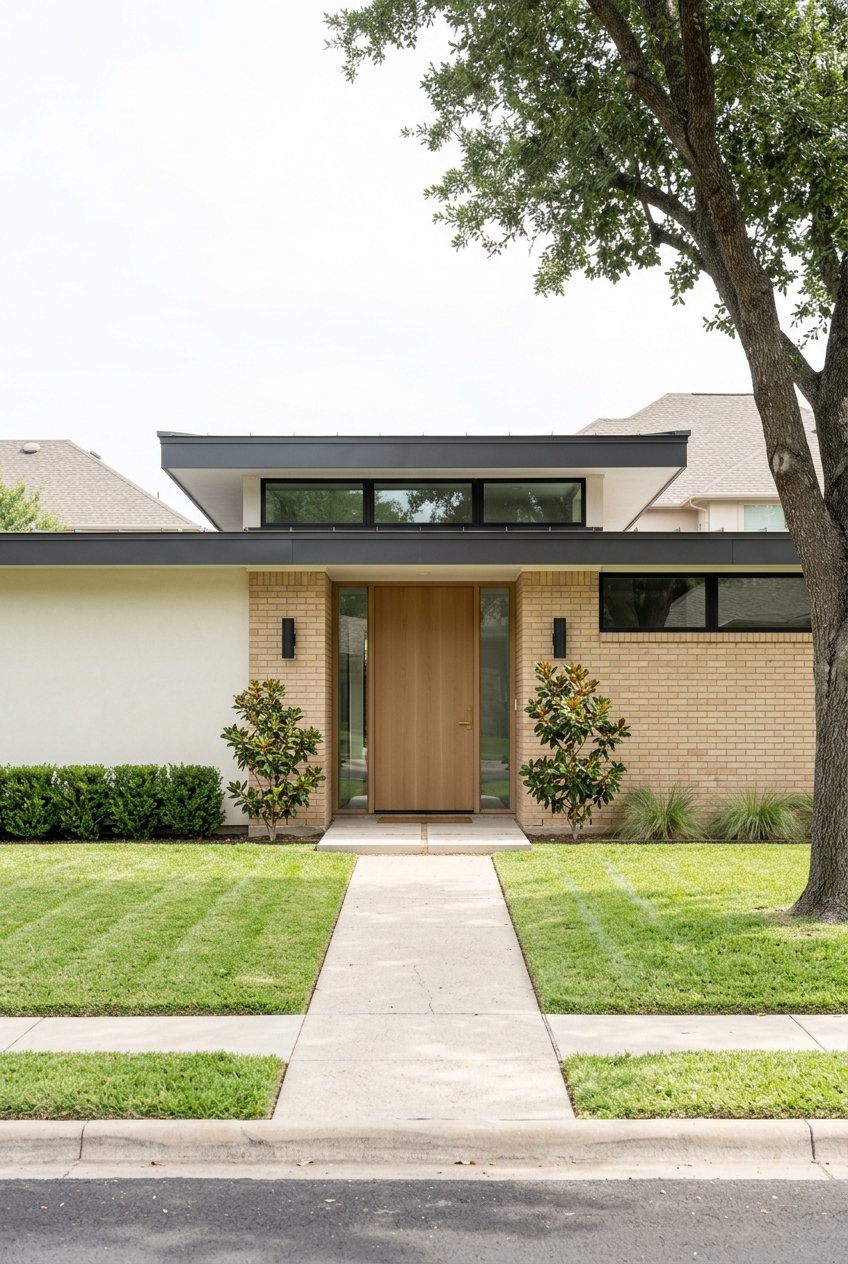
Bellaire’s official city description specifically calls out 1950s and 1960s ranch homes as a defining part of its housing stock. For many buyers, the ranch is the clearest middle ground between older cottage-scale homes and large new custom construction.
National Park Service materials describe ranch houses as generally one-story homes with long, low rooflines and open floor plans. In practical terms, that often means easier movement from room to room and a layout that feels simple and functional.
What ranch homes offer buyers
A ranch home can be a strong fit if you want single-level living and a more straightforward floor plan. Many buyers like the ease of horizontal circulation and the way daily living spaces are concentrated on one level.
This style can also work well if you prefer a house that feels less formal. Compared with taller homes that spread living areas across multiple levels, ranch homes often support a more casual rhythm for everyday life.
What to inspect carefully
Even though ranch homes can feel simpler to maintain, age still matters. Buyers should pay close attention to the roof, windows, insulation, HVAC, and site drainage, especially if the home has not been comprehensively updated.
That is especially important in a market like Bellaire, where many homes sit on established lots and have gone through different stages of renovation over time. A ranch with thoughtful updates may offer convenience and comfort, while one with deferred maintenance may require a larger post-closing budget.
New custom builds and modern flexibility
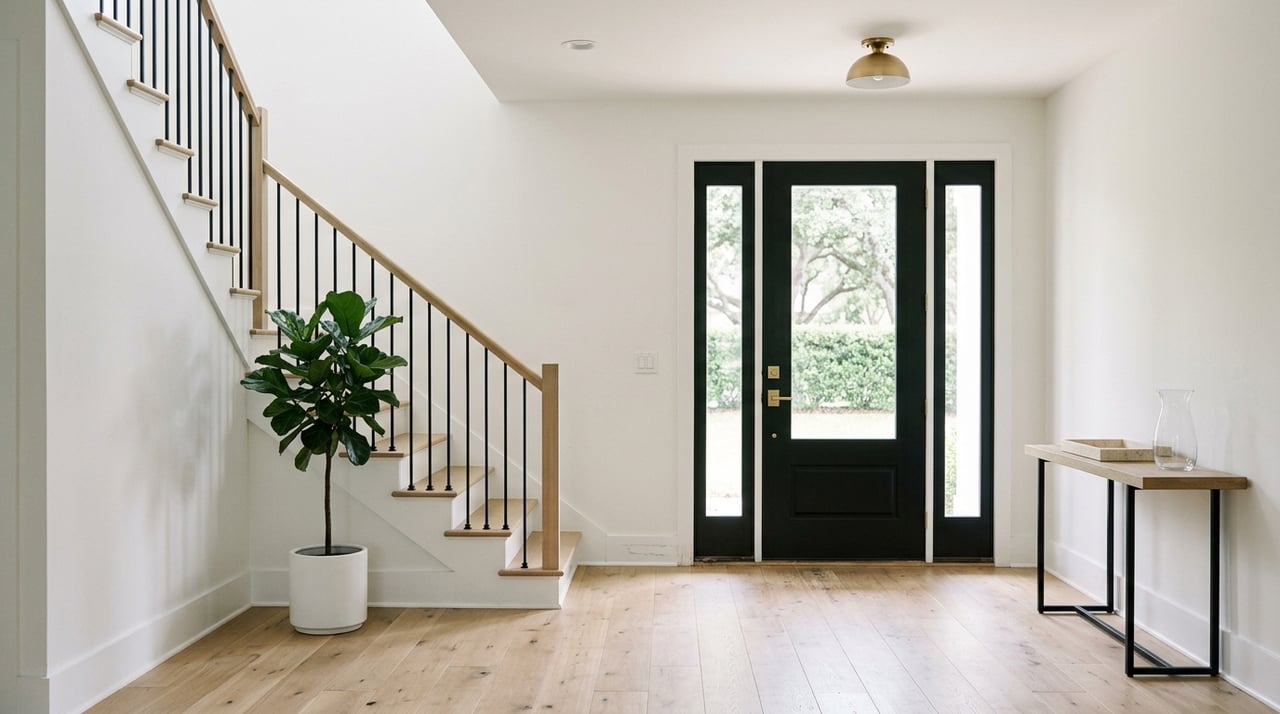
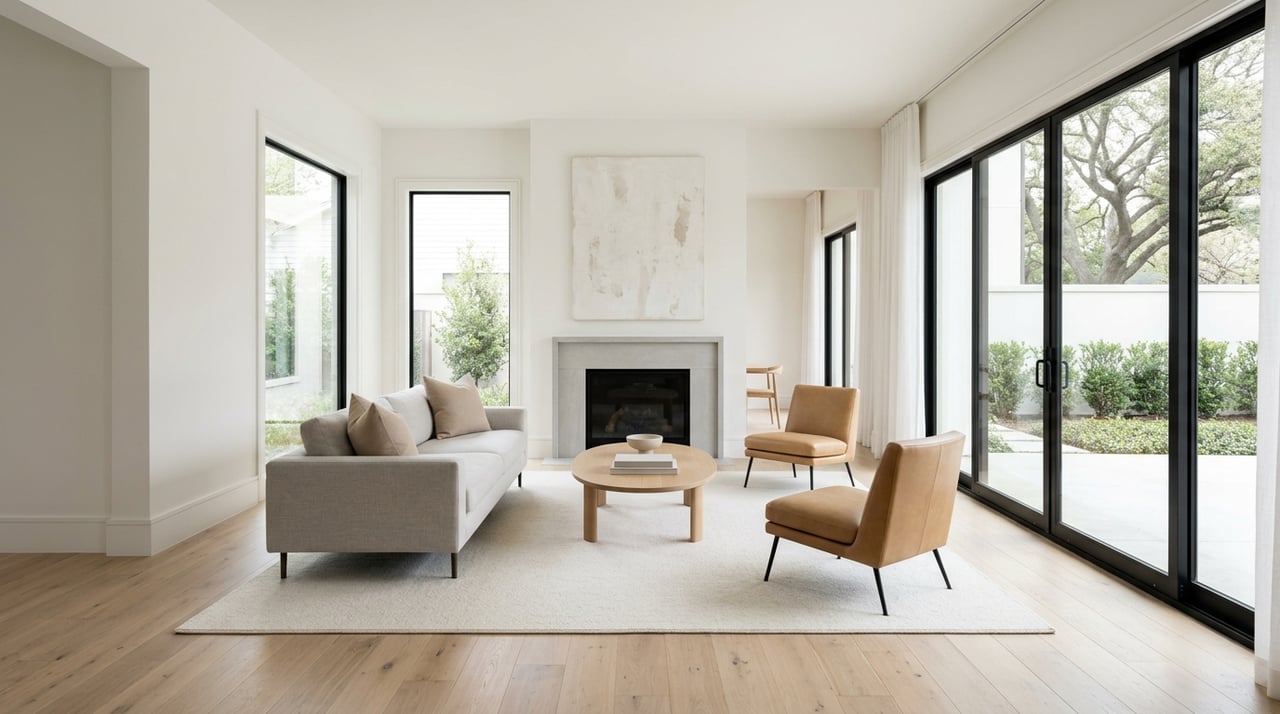
Bellaire is also known for newer custom-built homes. The city notes that its streets are lined with custom homes, and its planning documents make clear that redevelopment is a major part of how the housing stock continues to evolve.
For buyers, newer custom builds often offer the most flexibility for modern layouts, larger garages, and site-specific design. If you want more square footage, newer finishes, or a floor plan built around current preferences, this category may stand out.
Why custom homes look different
In Bellaire, lot shape and zoning matter. Current city standards list minimum lot areas ranging from 14,000 square feet in R-1 down to 5,000 square feet in R-4 and R-5, with minimum widths from 80 feet to 50 feet, minimum depths from 125 feet to 100 feet, and maximum lot coverage from 55 to 60 percent depending on district.
The city also allows a formal lot combination process through an amended plat, which can remove the line between adjacent lots. According to the city’s FAQ, that process can be used when an owner wants to build on adjacent lots or add structures such as a garage, pool house, or pool.
This helps explain why some newer Bellaire homes feel much larger or more customized than their neighbors. The lot itself may have shaped what could be built there.
What buyers gain
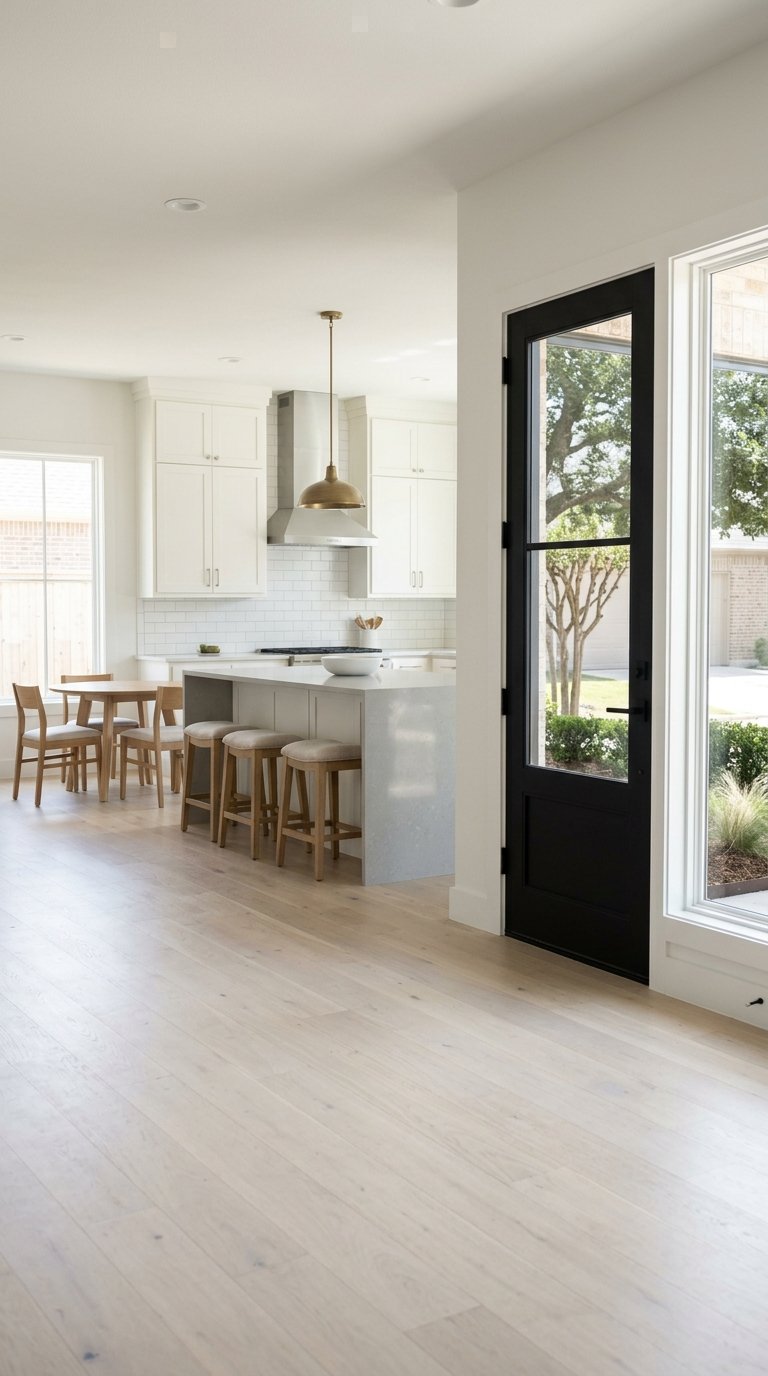
Custom builds often appeal to buyers who want modern space planning. That may include larger kitchens, more expansive living areas, updated storage, and design choices tailored to the footprint of the property.
These homes may also reduce some of the immediate update needs that can come with older houses. If move-in readiness is high on your list, a newer custom home may align well with your priorities.
What buyers should still consider
Newer does not mean maintenance-free. Larger homes often shift maintenance toward roof area, exterior finishes, landscaping, and drainage because of their size and how much of the site they occupy.
Bellaire’s 2024 comprehensive plan gives stormwater resilience a prominent role in future planning, so it is wise to look closely at drainage and site conditions along with interior finishes and square footage. In Bellaire, the relationship between the house and the lot is a big part of the buying decision.
How lot size shapes your options
One of the most useful ways to think about Bellaire architecture is to stop asking only which style looks best. A better question is which style fits the lot and the lifestyle you want.
The city’s planning documents specifically frame neighborhood character around lot size, setbacks, open space, vegetation, and compatibility. They even contrast a large lot with mature trees against a smaller, narrower lot with less yard space.
That matters because each housing type tends to come with a different relationship to the land:
- Cottage-scale and bungalow-era homes may offer charm and a smaller footprint, but often come with older systems and more original-character tradeoffs.
- Ranch homes often provide single-level convenience and straightforward circulation, which many buyers find practical for daily living.
- Custom builds usually offer the most design flexibility, but they may also increase the scale of exterior maintenance and site management.
How to choose the right Bellaire style
The best Bellaire home for you is usually the one that matches your priorities, not the one that checks the most trend-driven boxes. Style should support how you live, how much maintenance you want to manage, and how you want the lot to function.
You may want to think through these questions as you narrow your search:
- Do you value original character more than turnkey condition?
- Do you want single-level living?
- How much renovation work are you comfortable taking on?
- Would you rather have more house, more yard, or a balance of both?
- How important are drainage and site conditions in your decision-making?
In Bellaire, architecture is really about fit. The right match comes from balancing style, lot configuration, upkeep, and daily livability in a way that works for your goals.
If you want help comparing homes in Bellaire with a clear eye on layout, lot potential, and long-term value, Shelley Stone offers thoughtful, relationship-first guidance to help you buy with confidence.
FAQs
What architectural styles are common in Bellaire, TX?
- Bellaire is known for a mix of early cottage-scale or bungalow-era homes, 1950s and 1960s ranch homes, and newer custom-built houses created through redevelopment and reinvestment.
What do ranch homes in Bellaire offer buyers?
- Ranch homes in Bellaire often offer single-level living, long low rooflines, and straightforward circulation, which can make daily living feel simple and practical.
What should buyers know about older homes in Bellaire?
- Buyers should know that older Bellaire homes may offer charm and traditional street presence, but they often require closer review of windows, roofing, HVAC, insulation, and other existing systems.
Why are newer custom homes common in Bellaire?
- Newer custom homes are common because Bellaire is nearly built out, so much of the city’s housing change happens through redevelopment of existing lots rather than large new subdivisions.
How does lot size affect home style in Bellaire?
- Lot size affects what can be built, how much open space remains, and how the home fits the site, which is why Bellaire buyers should evaluate architecture together with lot width, depth, coverage, and drainage.
What matters most when choosing a home style in Bellaire?
- The most important factor is fit, including how the home’s style, layout, lot configuration, and maintenance demands align with your lifestyle and comfort level.