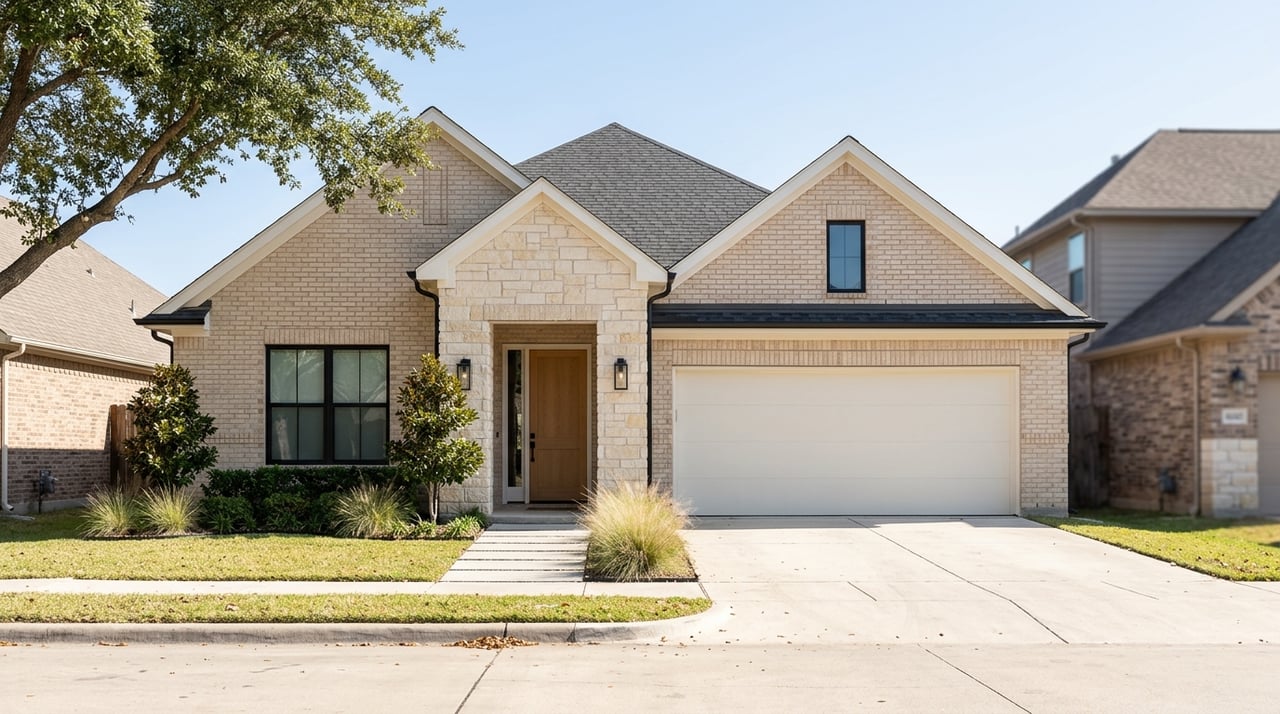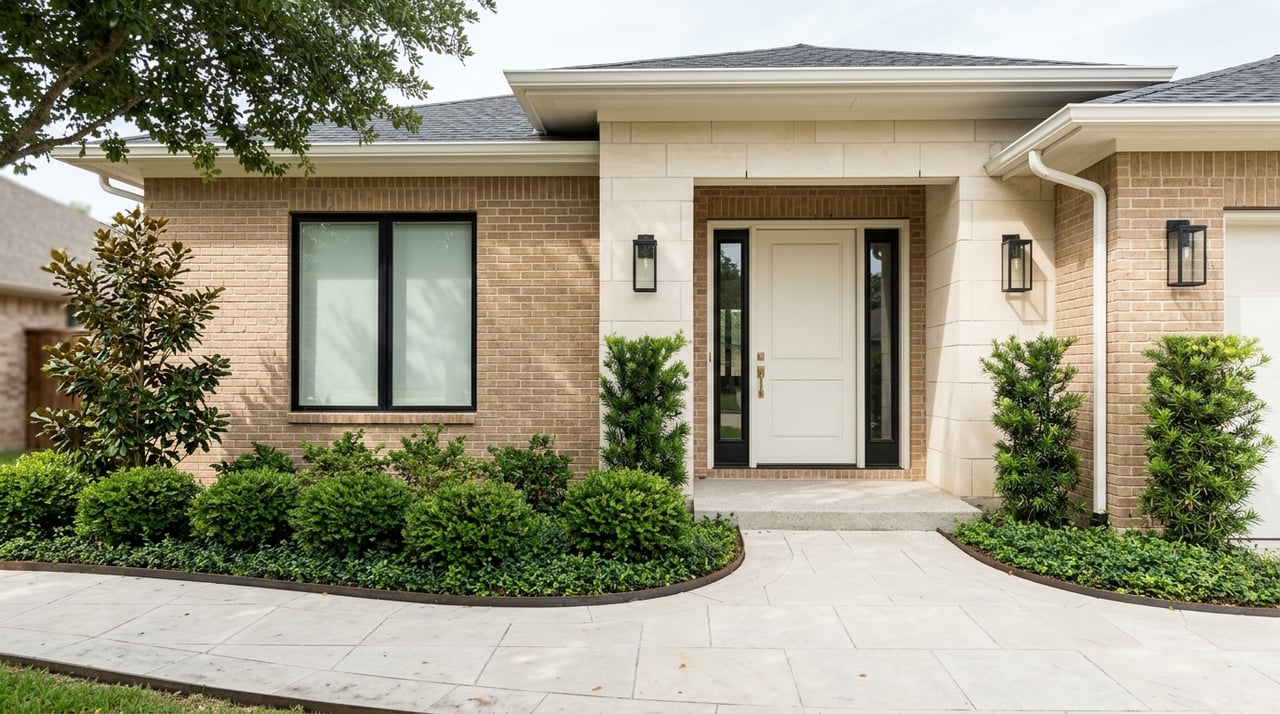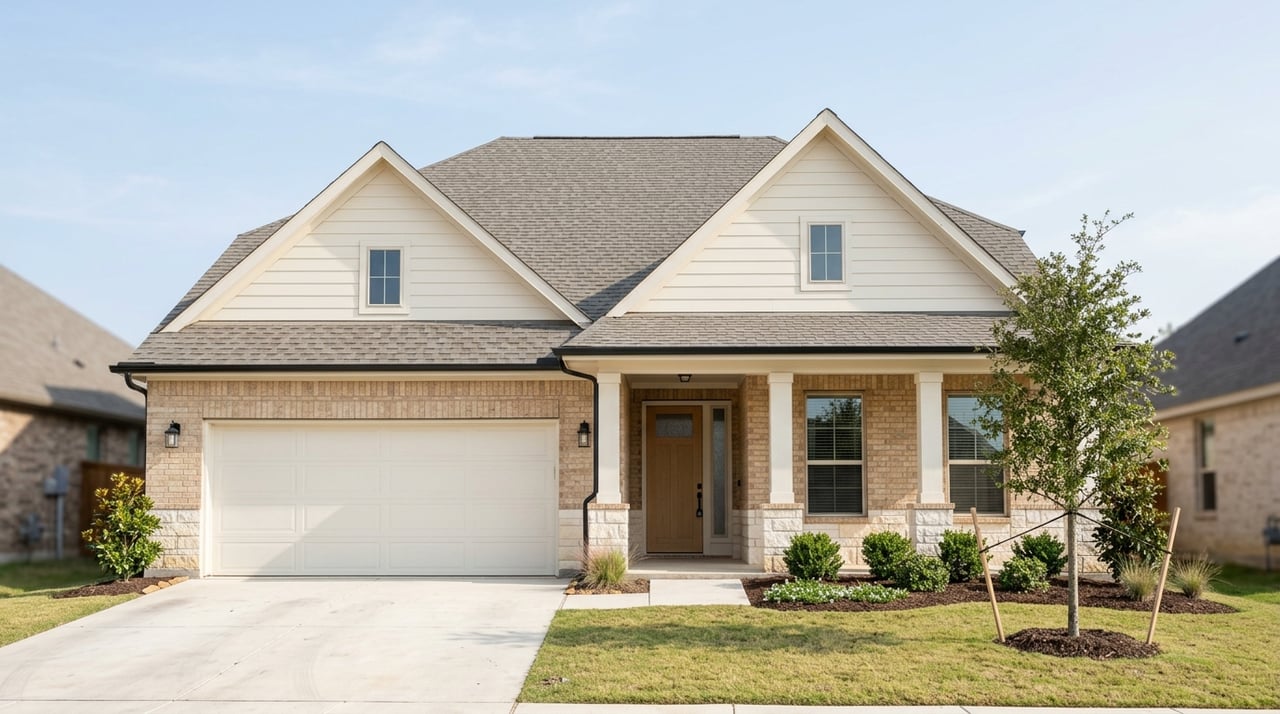
Thinking about buying a brand-new home near Richmond? It can feel exciting to tour model homes, compare finishes, and imagine a fresh start, but new construction in Fort Bend County often comes with more moving parts than buyers expect. If you want to avoid surprises, you need to look beyond the floor plan and understand the community, contract, taxes, timelines, and documents that shape the full cost and experience. Let’s dive in.
New construction is a community decision
Near Richmond, new construction is usually not a one-size-fits-all purchase. Many homes are part of large planned communities with different builders, amenity packages, HOA rules, and tax structures. That means two homes with similar square footage can come with very different day-to-day realities.
Harvest Green, for example, advertises a 1,700-acre agrihood with an on-site farm, trails, retail, schools, and more than 130 acres of lakes and waterways. Candela advertises a 578-acre community with 50-plus designs, 9 model homes, and builders including Coventry Homes, Perry Homes, and Westin Homes. Those details show why your decision should include the whole community, not just the home itself.
Compare more than the model home
When you tour new construction near Richmond, it helps to compare these items side by side:
- Builder options and plan availability
- Homesite location within the community
- HOA rules and community governance
- Amenity access and programming
- Taxing entities tied to the property
- Estimated timeline to completion
- School district tied to the exact address
A polished model home can make communities feel similar at first glance. In practice, the builder, lot, district boundaries, and governing documents can affect your monthly cost and long-term satisfaction just as much as the layout.
School zoning can change by community
In the Richmond area, school zoning is tied to the specific community and address. Harvest Green identifies Fort Bend ISD, while Candela identifies Lamar CISD. If that matters to your move, it is important to verify the exact zoning for the home you are considering rather than assume nearby communities share the same district.
Contracts are different from resale
Buying from a builder is not the same as buying an existing home from an individual seller. In Texas, the Texas Real Estate Commission uses separate forms for new homes based on whether construction is complete or incomplete. TREC also states that the standard resale contract form is not for new homes sold by a builder.
That matters because the contract often works hand in hand with builder addenda, upgrade sheets, HOA documents, and deadlines. You want to know what is included, what can change, and what happens if the timeline shifts.
Timelines can move
One of the biggest differences between resale and new construction is how flexible the timeline can be. Perry Homes says construction usually begins 30 to 45 days after the earnest money contract is signed, but it also notes that weather, local approvals, utility availability, lot delivery, materials, contractor availability, and buyer-requested changes can all affect the schedule.
Perry also says move-in-ready homes may close in a month or two, while a to-be-built home can take several months. If you are coordinating a lease end, job relocation, school-year timing, or the sale of your current home, this timing gap is a major factor.
Design selections are not casual
Many buyers look forward to the design center, but it helps to treat that phase like an important business decision. Perry Homes says buyers may choose items such as countertops, cabinets, flooring, and fixtures through the design center process. Perry also states that designs, options, elevations, materials, pricing, and availability can change without notice, and some options are not available on every homesite.
That means your selection sheets and written contract matter. If a feature or finish is important to you, make sure you understand whether it is standard, optional, priced separately, or subject to change.
Taxes and district costs matter early
In Fort Bend County, the sales price is only part of the budget. The county’s new-property-owner checklist says every property will have county and school taxes, but may also have city, Municipal Utility District, levee improvement district, and special district taxes. These added layers can materially affect your monthly housing cost.
For many buyers, this is one of the biggest blind spots in new construction. Two homes with similar list prices may have different total ownership costs because of the taxing entities attached to each lot.
Why MUD and special district taxes matter
The Texas Commission on Environmental Quality says a Municipal Utility District is formed to provide utility services to a designated area. The Texas Comptroller notes that special-purpose districts may be funded by property tax, sales tax, user fees, and debt. From a buyer’s perspective, the key point is simple: these districts can affect what you pay each month and each year.
This is why it helps to review the full tax picture before you commit, not after closing. Your payment planning should include more than principal and interest.
Property tax timing and homestead basics
Fort Bend County says tax statements are normally mailed in October or November, and penalty and interest accrue after February 1. The county and Fort Bend Central Appraisal District also note that buyers can file for a homestead exemption in the same year they purchase a qualifying new home, with the exemption applying from the date of purchase.
The county also notes that deed recording and owner-record updates can take time after closing. If you are buying new construction, it is smart to stay organized with your closing paperwork so you can follow through on exemption filings when eligible.
Acreage and rollback tax questions
If you are buying a lot or acreage instead of a home in a standard platted subdivision, Fort Bend County advises checking for rollback taxes and confirming who is responsible for them. This issue is less common in production-home communities, but it can be important for custom or land-focused purchases.
HOA rules deserve real attention
Many Richmond-area new-construction homes are part of HOA-governed communities. Candela says its HOA helps oversee community appearance and amenities, and other communities market trails, parks, programming, and resort-style features that are typically tied to association rules and assessments.
That can be a benefit if you want amenities and a more structured community environment. It also means you should understand the rules, fees, and document package before you close.
Read the documents, not just the brochure
TREC’s HOA addendum can require subdivision information such as restrictions, bylaws, rules, and a resale certificate. It also gives buyers termination rights if required information is not delivered or if there is a material change.
In practical terms, that makes HOA document review a core part of due diligence. You want to know what the rules say about property use, exterior changes, assessments, and community obligations before the home is yours.
Permits and local oversight are part of the picture
The City of Richmond says it processes building permits, license applications, inspections, and fee payments through MyGovernmentOnline, and that applicants can track project status and request inspections online. This is useful context if you are buying within the city or trying to understand how projects move through local approvals.
Fort Bend County also says it has not adopted zoning ordinances and does not issue Certificates of Occupancy. The county notes that development permits are required for work in floodplain or flood-prone areas and for certain larger development activities. In areas without zoning ordinances, plat restrictions, deed restrictions, and HOA rules become even more important.
Inspections still matter on a new home
A common mistake is assuming a new home does not need an independent inspection. TREC says a licensed inspector’s standard report is a limited visual survey and basic performance evaluation of a substantially completed home. TREC also states that inspectors are not required to inspect to current building codes.
That means an inspection is not a code-compliance certificate. It is still an important buyer-protection step that can help you identify visible issues before closing.
Builder walkthroughs are not the same thing
TREC warns that walkthrough inspections do not follow the same requirements as a standard inspection. It also says builder quality-control or phased construction inspections are not a substitute for an inspection by the buyer’s choice.
That distinction matters. A builder walkthrough can be useful for learning your systems and noting punch-list items, but it serves a different purpose than hiring your own licensed inspector.
Warranties and insurance are different
New construction buyers also need to separate home warranties from homeowners insurance. The Texas Department of Insurance says warranties cover certain items that break down from normal wear and tear, not damage from covered events like fire or theft. It also notes that home-warranty companies must be licensed by the Texas Department of Licensing and Regulation.
Before closing, make sure you understand what the builder warranty covers, what it excludes, how claims are handled, and where your insurance takes over. These are different protections, and both deserve attention.
Representation can help you manage the moving parts
With new construction, the challenge is not just finding a home you like. It is tracking deadlines, reviewing documents, understanding taxes and HOA obligations, coordinating inspections, and keeping the process organized from contract to closing.
TREC says brokers and sales agents are licensed to protect consumers, and its consumer guidance notes that licensed professionals can help navigate the complexity of a purchase. For many Richmond-area buyers, the value of representation is having someone who helps you compare communities clearly, read the fine print carefully, and ask the right questions at the right time.
If you are considering new construction near Richmond, a thoughtful plan can help you avoid costly assumptions. When you are ready for local guidance and a concierge-level experience, Shelley Stone can help you compare communities, manage the details, and move forward with confidence.
FAQs
What should you compare when buying new construction near Richmond?
- You should compare the builder, homesite, HOA rules, amenities, school district, estimated timeline, and all applicable taxes or district costs, not just the floor plan.
How are new-construction contracts different in Texas?
- TREC uses separate contract forms for new homes depending on whether construction is complete or incomplete, and the standard resale contract is not used for a builder’s new home sale.
Why do taxes vary on new homes in Fort Bend County?
- Fort Bend County says a property may have county and school taxes plus possible city, MUD, levee improvement district, or other special district taxes.
Do you need an inspection on a newly built home in Richmond?
- Yes. TREC says builder walkthroughs and builder quality-control checks are not substitutes for an inspection by the buyer’s chosen licensed inspector.
What should you know about HOA documents for a Richmond-area new build?
- You should review the restrictions, bylaws, rules, fees, and related subdivision information carefully because those documents affect how the community is governed and what obligations come with the home.
Are home warranties the same as homeowners insurance in Texas?
- No. The Texas Department of Insurance says warranties generally cover certain breakdowns from normal wear and tear, while insurance covers damage from covered events such as fire or theft.