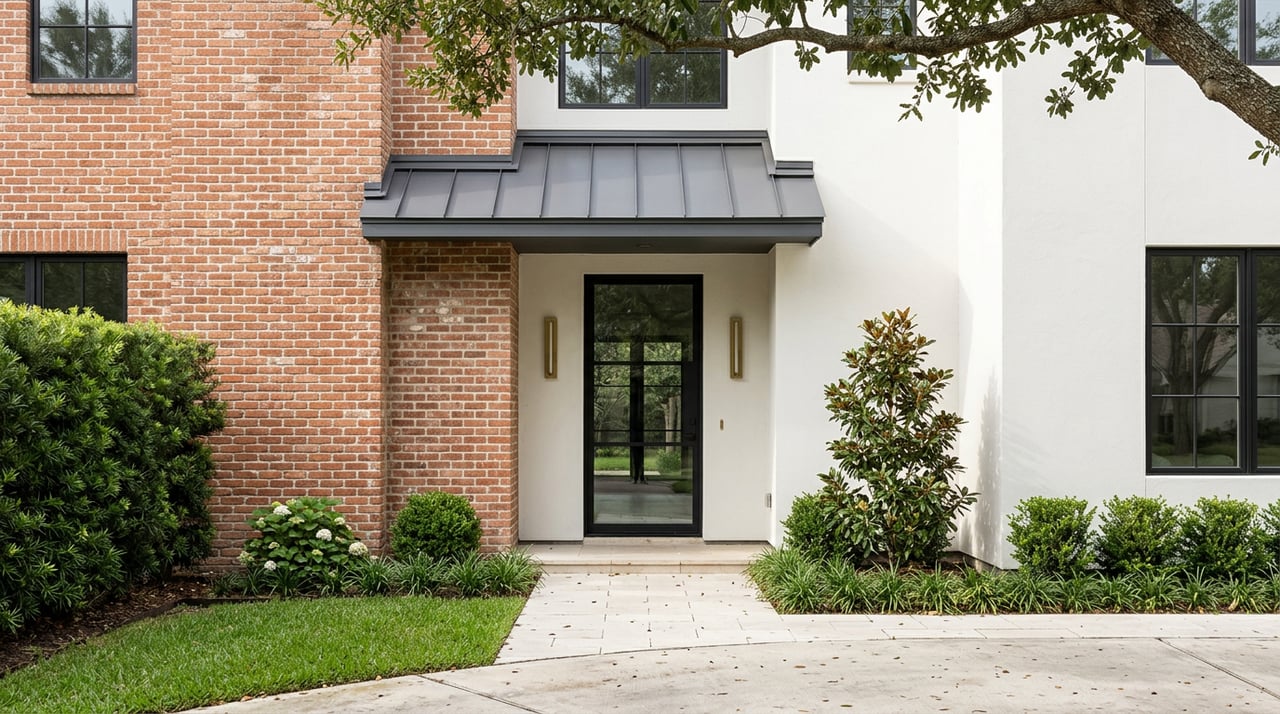
Thinking about whether to buy a sleek new build or a character-filled established home in Bellaire? You are not alone. With prices often in the low-to-mid seven figures and a steady pace of redevelopment, the choice can feel high stakes. In this guide, you will learn a simple way to compare both paths using Bellaire-specific facts, risk checks, and total cost of ownership math, so you can move forward with confidence. Let’s dive in.
Bellaire market snapshot
Bellaire is a high-end single-family market with monthly medians commonly reported around the low-to-mid seven figures in recent MLS snapshots. You can see current trends in the Houston Association of Realtors overview for Bellaire in the HAR price trends dashboard. Different valuation tools often report different figures because they use different methods, so treat any single number as a snapshot rather than a guarantee.
Many Bellaire lots are large enough to support substantial homes, and the city’s median year built hovers around the mid 1990s for existing inventory. That mix helps explain why you see active tear-down and infill new construction across the city.
What you get with new construction
Architecture and layout
New construction in Bellaire tends to deliver larger floorplans, open main living, high ceilings, and abundant storage. Many new builds use multi-level designs to maximize square footage on a 7,500-square-foot lot. You also get modern window packages, contemporary finishes, and outdoor living that flows from the kitchen or great room.
Energy and systems
New homes must meet the city’s adopted building and trade codes at the time of permitting, which sets a higher baseline for electrical, plumbing, and life-safety standards. You can confirm code references and permitting steps in the City’s Development Services FAQ. If the builder offers ENERGY STAR or similar packages, expect meaningful efficiency gains. ENERGY STAR guidance notes certified new homes are typically at least about 10 percent more efficient than code-built homes and sometimes much more when advanced measures are used. That can lower your utility bills and improve comfort.
Maintenance and warranties
The first several years of ownership often bring lower maintenance. Your roof, HVAC, windows, and appliances are new, and builder or manufacturer warranties can reduce surprise costs. Ask the builder for warranty documents, the service request process, and coverage timelines. Request third-party inspections at key stages for additional peace of mind.
Timing and financing
You can buy a move-in-ready spec home or contract a new build on a custom or semi-custom plan. If you plan to buy land and build, talk with a lender about single-close construction-to-permanent loans, often called C2P. These loans roll the construction phase into your permanent mortgage at completion and avoid a second closing. Availability and terms vary by lender. For an overview, see this C2P reference and speak with your financing professional.
Why established homes still shine
Lots, trees, and streetscape
Established Bellaire homes often sit on well-located lots with mature trees and landscaping that shape curb appeal and shade. Many buyers value the quieter streetscape, classic brick or ranch styles, and the ability to rework interiors over time without starting from scratch.
Renovation potential and teardown economics
On the right lot, an older home can be a platform for a high-impact remodel or even a full rebuild. Because lot value and location carry so much weight in Bellaire, some buyers intentionally target older properties to create a home that fits their needs. If you choose this path, budget for permits, potential structural surprises, and a longer timeline.
Immediate occupancy and character
An established home can deliver move-in timing that fits your life. You can update at your own pace, retain period details you love, and plan bigger projects later. This path can also spread costs over time, as long as you reserve funds for near-term maintenance.
Flood, elevation, and insurance checks in Bellaire
Bellaire includes areas near bayous, and portions of the city lie in FEMA floodplains. For any property you are considering, request the elevation certificate if one exists, review the City’s FIRM map panel, and confirm the FEMA zone and Base Flood Elevation. These determine insurance requirements and help you understand regulatory risk.
Model-based tools can add context beyond FEMA. First Street Foundation’s FloodFactor provides a 1 to 10 score that combines heavy rainfall, riverine flooding, and long-term changes. Learn more about the methodology in the FloodFactor overview. Use both FEMA and a property-level model, then validate with an elevation certificate and insurer quotes.
Insurance and property taxes are key parts of your yearly carry. For taxes, review the Harris County Appraisal District record and current bill using the HCAD lookup. A sample HCAD bill format is available here: HCAD tax bill example. Remember that assessed values and tax rates can change each year, so always confirm current numbers.
The total cost of ownership comparison
A clear dollars-and-cents view can make your decision obvious. Use this structure to compare a specific new build against an established Bellaire home.
- Gather purchase details
- Purchase price and estimated closing costs for each property
- For established homes, expected immediate repairs or upgrades
- Estimate yearly carry
- Property taxes from HCAD for each address
- Homeowner insurance and flood insurance if required
- Utilities, noting that new homes with ENERGY STAR-level specs often consume less energy
- Plan for maintenance and replacements
- New construction: lower near-term costs and builder/manufacturer coverage
- Established homes: create a reserve. A common rule of thumb is about 1 percent of home value per year for maintenance and repairs. See the 1 percent rule overview and adjust for age and condition.
- Add energy savings assumptions
- If the new home is ENERGY STAR-level, assume measurable savings versus an older home. Request HERS scores or builder performance specs, and use ENERGY STAR guidance to frame expectations.
TCO template you can use
| Line item | New construction (Bellaire) | Established home (Bellaire) |
|---|---|---|
| Purchase price | ||
| Estimated closing costs | ||
| Immediate repairs/renovations | ||
| Annual maintenance reserve | ||
| Expected replacements in 10 years | ||
| Homeowner insurance | ||
| Flood insurance (if required) | ||
| Estimated annual energy cost | ||
| Property taxes (HCAD) | ||
| Total 5-year estimated cost |
Caption: Annual maintenance reserve uses the commonly cited 1 percent rule. Energy savings for new homes reference ENERGY STAR new construction guidance.
Bellaire due diligence checklist
Do these items before you write an offer or during your option period.
- Verify zoning, setbacks, permits, and adopted codes with the City’s Development Services FAQ.
- Request an elevation certificate, and review the City’s FIRM map panel.
- Check a property-level FloodFactor score and read the methodology summary.
- Pull the current property tax bill using the HCAD lookup format, then confirm with the live record for your address.
- For new construction, request builder contract terms, schedules, allowances, and warranty documents in writing. Ask for third-party inspections at framing and mechanical rough-in.
- For established homes, order a full home inspection and specialized checks as needed, then price repairs with licensed contractors.
A simple, Bellaire-first decision framework
Use these five steps to decide with clarity.
Step 1: Define your priorities
- Turnkey and time-light ownership with modern design points to new construction.
- Lot, trees, and renovation upside point to established homes.
Step 2: Quantify short-term costs
- Compare list price, price per square foot, and likely near-term projects. Build your comps and context from the HAR price trends dashboard.
- Add a maintenance reserve using the 1 percent rule as a baseline.
Step 3: Check site risk and permits
- Flood zone, elevation, and drainage matter. Use the City’s FIRM map and a FloodFactor check, then validate with an elevation certificate.
- Confirm zoning and any tree or fill limitations with Development Services.
Step 4: Align deal mechanics and protections
- New construction: get written scope, allowance details, schedule, and warranty. Consider lender draws and inspection milestones.
- Established home: inspect thoroughly and price any deferred maintenance before option expiration.
Step 5: Compare total cost of ownership
- TCO includes purchase price, closing costs, immediate work, yearly maintenance, energy, insurance, and property taxes. Use HCAD records to plug in current tax numbers and adjust for insurance and energy differences using ENERGY STAR guidance.
How we help you choose the right Bellaire home
The right advisor brings data, local nuance, and a calm, organized process. Our team builds Bellaire-specific comps from HAR price trends, verifies permits and elevation records with the City, pulls tax history through HCAD, and coordinates specialized inspections. We also model 5 to 10 years of ownership costs side by side, so you see the full picture before you decide. If you want clear guidance, premium service, and a smooth path from first tour to closing, connect with Shelley Stone for a complimentary consultation.
FAQs
What is the current price range for Bellaire single-family homes?
- Recent MLS snapshots show medians commonly in the low-to-mid seven figures, with monthly medians often around 1.2 to 1.4 million, based on the HAR price trends dashboard. Numbers can vary by method and month.
How do lot size and age affect Bellaire decisions?
- Many Bellaire lots are about 7,500 square feet and the median year built sits near the mid 1990s for existing homes. That combination supports both thoughtful renovations and tear-downs where lot value drives the plan.
How much more efficient are new homes in Bellaire?
- Certified new homes built to ENERGY STAR-level standards are typically at least about 10 percent more efficient than code-built homes, according to ENERGY STAR. Ask for HERS scores and spec sheets to compare properties.
How should I evaluate flood risk for a specific property?
- Review the City’s FIRM map panel, get an elevation certificate, and check a property-level FloodFactor score using the methodology overview. Then confirm insurability and quotes with your insurer.
What financing options exist for buying land and building?
- Ask lenders about single-close construction-to-permanent loans, often called C2P. These convert to a permanent mortgage at completion and can simplify closing. See this C2P reference for a general outline, then review specifics with your lender.
How do I estimate yearly maintenance for an older home?
- A practical starting point is about 1 percent of the home’s value per year for maintenance and repairs, per this overview of the 1 percent rule. Adjust up or down based on age and condition.
How do property taxes fit into total cost of ownership?
- Use HCAD to find the current assessed value and tax bill for each address, then factor that number into your annual carry. You can see a sample HCAD tax bill format to understand how the totals are presented.